By Adele Chan
As a portrait and travel photographer, I’ve always believed that the best camera isn’t just the one you have with you — it’s the one that doesn’t get in the way of the story. For years, Xiaomi’s “Ultra” line has been at the top of their game: brilliant, yes, but with polarising designs (with its duo-toned version meant to resemble actual classic Leica M cameras), and competing in a tough market against strong competition from Oppo and their Hasselblad collaboration, and vivo with their Zeiss lenses.
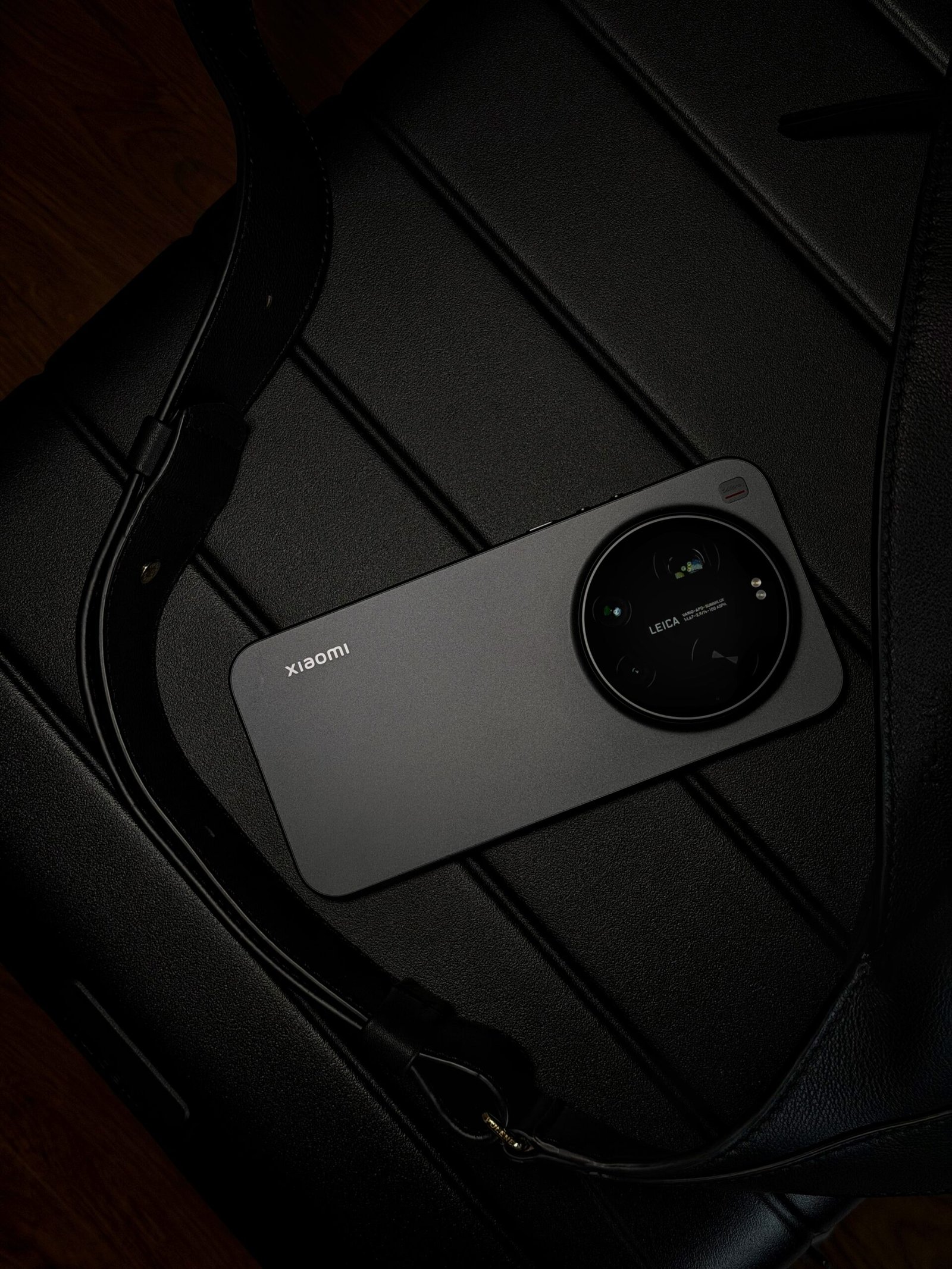
This year with the new Xiaomi 17 Ultra, however, something has shifted. It feels less like another mobile phone, and more like a pocket camera I can proudly brandish without being obtrusive.
A Masterclass in Industrial Elegance
There’s still the circular camera system` that we’ve been seeing since the Xiaomi 13 Ultra, but this latest version appears significantly flatter, leaner and hence more discreet. This camera design upgrade, coupled with a less curvier phone body, is a winner in industrial elegance. Even the “sparkly” black shade of the 15 Ultra has improved to a solid matte charcoal that we much prefer. Furthermore, the “2D” flat display feels intentional — a canvas that doesn’t distort your frame at the edges, and protected by the new Dragon Crystal Glass 3.0.
The Leica Soul and the 1-Inch Giant
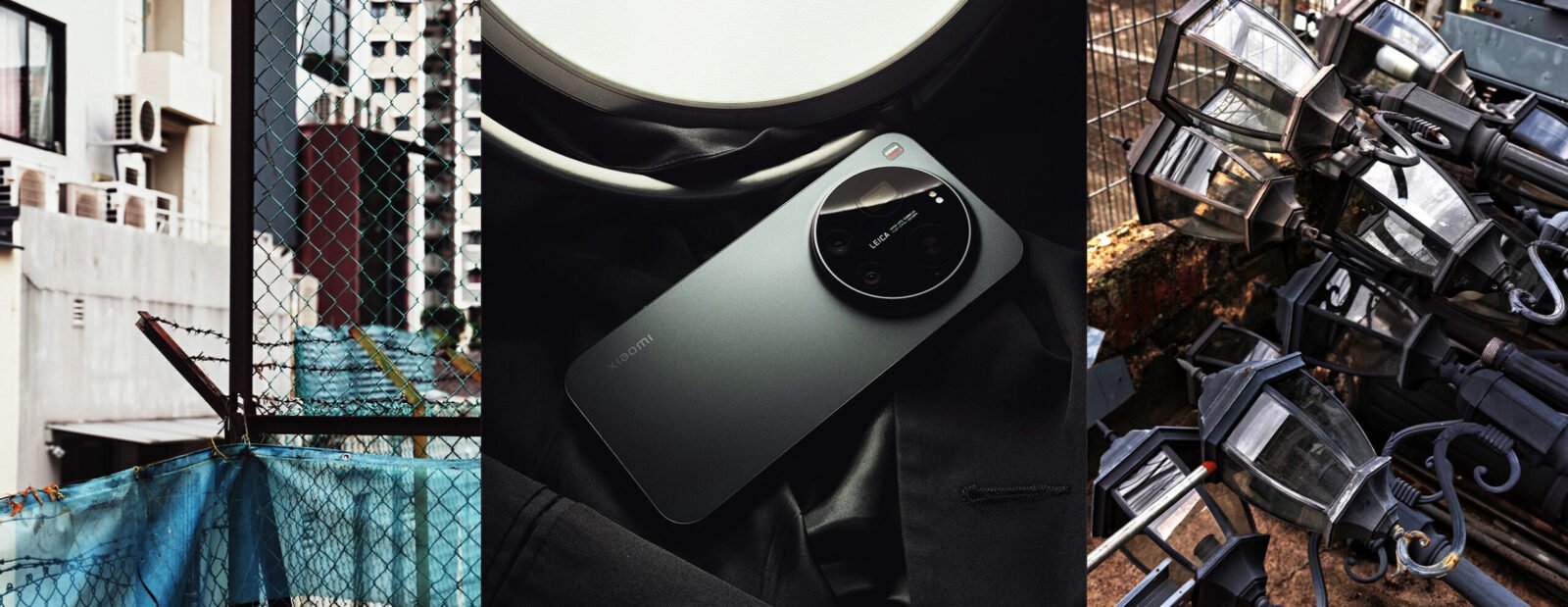
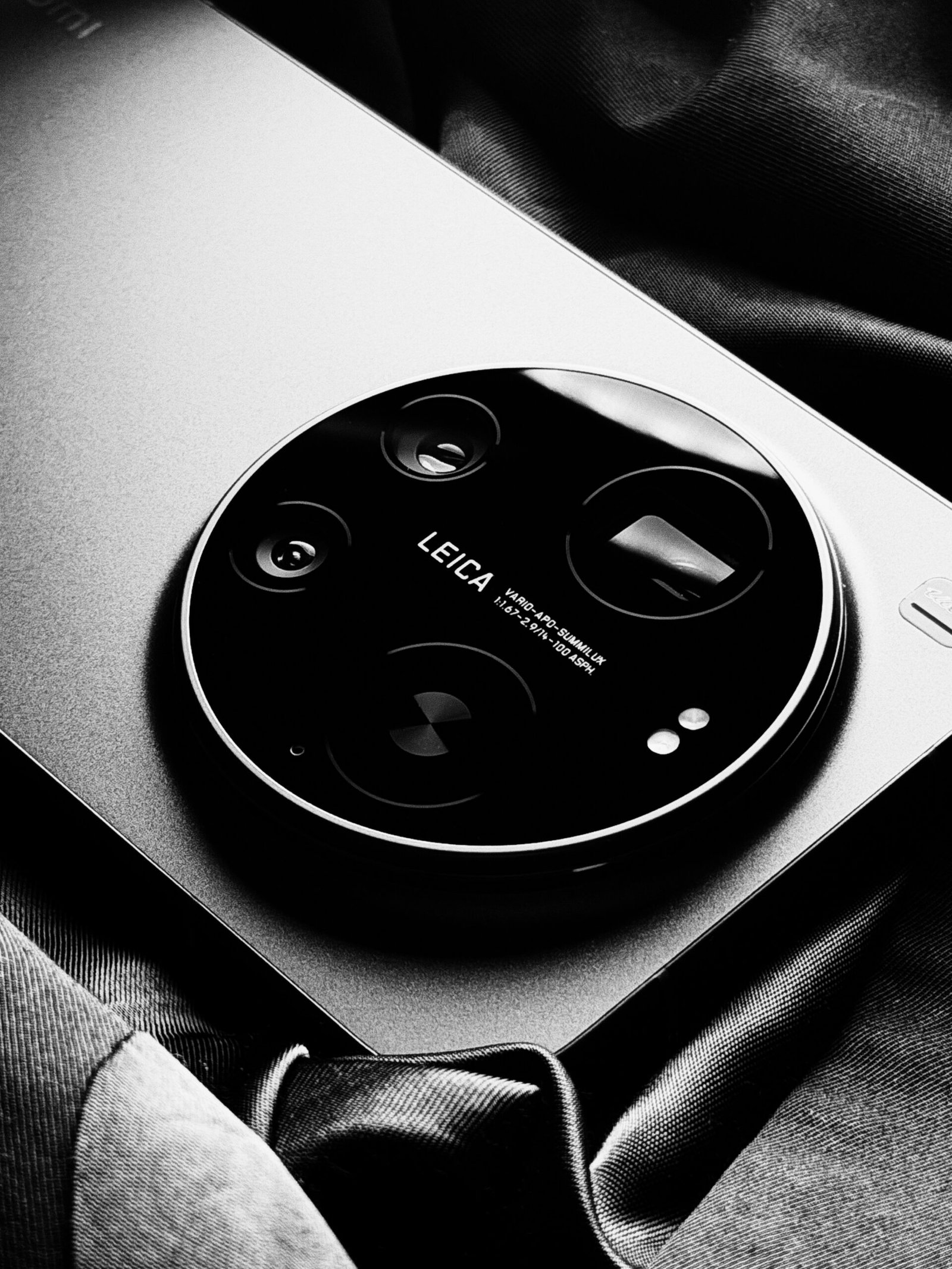
At the heart of this device remains the Leica Summilux optical system, but like everything else about this phone, it’s been refined. The 1-inch Light Hunter 1050L sensor is, quite simply, the closest thing to “cheating” at physics in mobile photography. In the low, amber light of an old-school shophouse, the 17 Ultra pulls detail out of the shadows with a texture that feels organic, not over-sharpened (see pics below).


Then there’s the 200MP Leica APO telephoto lens. It features a continuous optical zoom ranging from 75mm to 100mm. For most portrait photographers, the 75mm to 90mm range is the “sweet spot” for shooting natural-looking, undistorted headshots (see pics below captured using Master Portrait mode).


While the Huawei Pura 80 Ultra might win on sheer AI-driven HDR processing, and the vivo X300 Pro offers a punchier, social-media-ready saturation, the Xiaomi 17 Ultra wins on vibe. It captures light with the “Leica Look” — that subtle, moody fall-off that makes a digital file feel like a memory. Also, for the sake of transparency, my main everyday camera is the Leica M11, so I do have a bias toward Leica-styled photos, so will naturally gravitate towards the look produced by the Xiaomi / Leica combo.

The Competitive Landscape
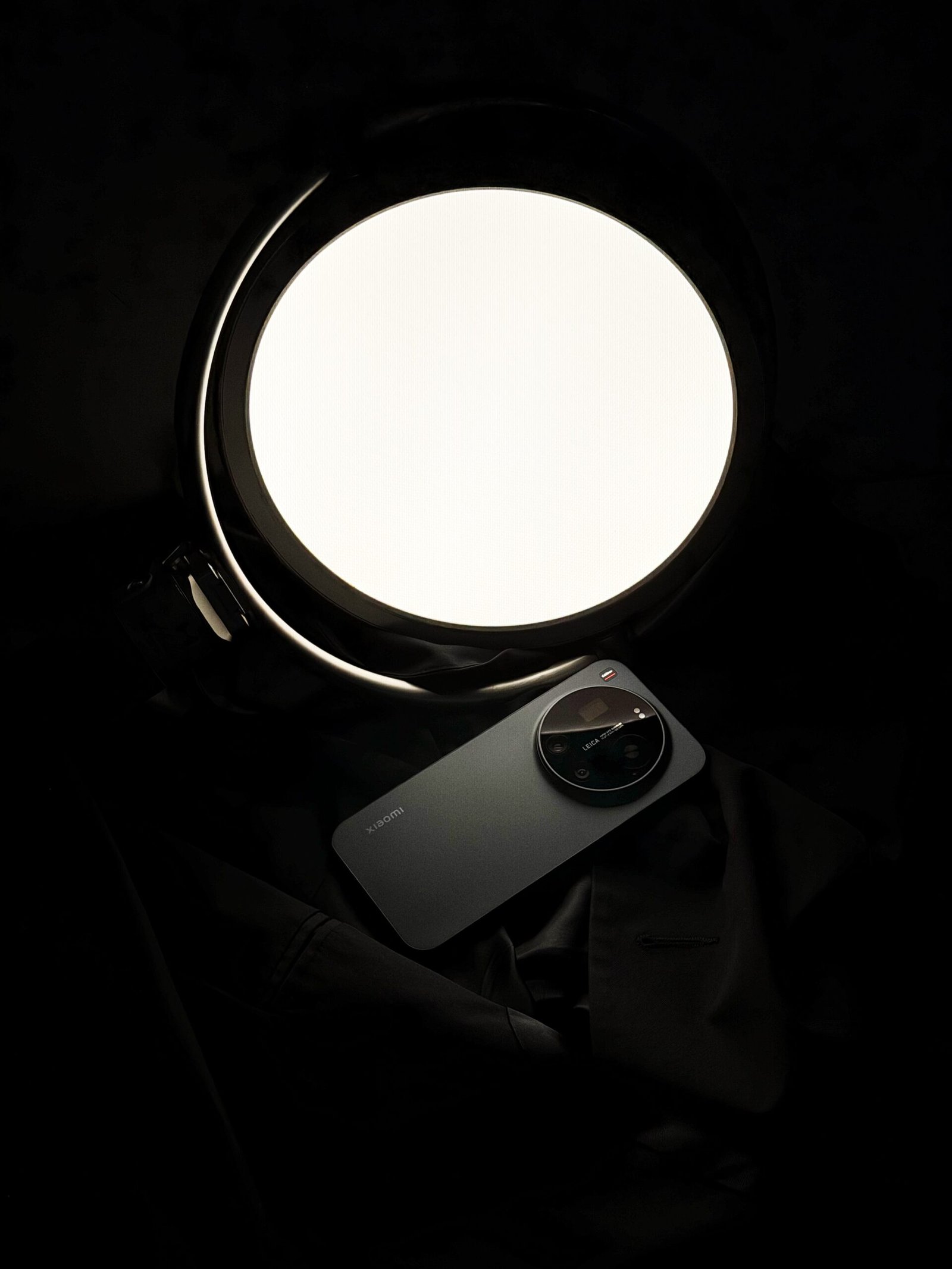
How does the Xiaomi 17 Ultra hold up against the current titan class of the best photography smartphones?
- vs. Oppo Find X9 Pro: The Oppo has backtracked in design; letting go of the circular camera module in favour of a more generic design, mimicking the previous generations of the iPhone Pros. We’re a fan of Xiaomi’s camera bezel that truly has the look and feel of a professional camera phone.
- vs. Huawei Pura 80 Ultra: Huawei has been leading in “magic” low-light recovery, but their colours can sometimes feel clinical. The Xiaomi 17 Ultra’s collaboration with Leica provides a warmer, more cinematic soul to the images.
- vs. vivo X300 Pro: The vivo is the king of the telephoto macro, but the Xiaomi 17 Ultra offers more flexibility with its superior continuous zoom (75-100mm).
The Verdict: Pros & Cons
The Pros:
- Unrivaled Main Sensor: The 1-inch sensor provides a natural bokeh that software simply cannot mimic.
- Redefined Design: The flatter, thinner profile makes it the first “Ultra” that is truly comfortable to hold for hours.
- The Leica Partnership: Authentic colour profiles (Leica Authentic vs. Leica Vibrant) that save you hours in Lightroom.
- Battery Powerhouse: The 6800mAh cell is a beast, supporting 90W wired and 50W wireless charging.
The Cons:
- Display Resolution: It has moved to a 1.5K panel, which is a slight step down in PPI from the 15 Ultra’s 2K screen.
- Thermal Throttling: Under heavy 8K video recording, the Snapdragon 8 Elite Gen 5 can run quite warm.
- Software Bloat: HyperOS 3.0 is fast, but it still comes with more pre-installed apps than a purist might like.
Should You Buy It?
If your smartphone is your primary creative instrument, the Xiaomi 17 Ultra is an excellent upgrade. It fixes the ergonomic flaws of the 15 Ultra while doubling down on the “soul” of the image. And it isn’t just about megapixels — it’s about the way the light hits the glass. For the lifestyle photographer who wants a Leica in their pocket without the five-digit price tag, this is the one.
More examples of photos taken with the Xiaomi 17 Ultra below.