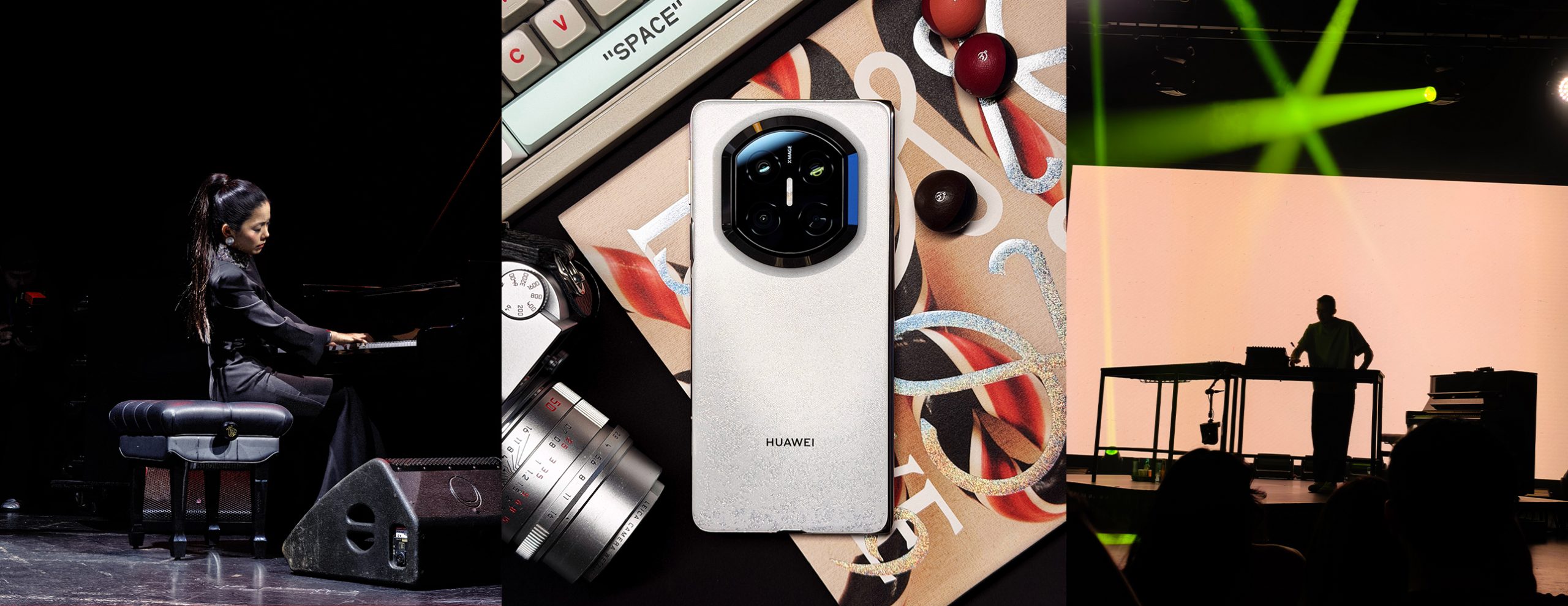
In an era where each new smartphone launch feels like a marginal update, the Huawei Mate X7 arrives as a refreshing, albeit high-stakes, vision of the future. It isn’t just another foldable; it is a masterclass in material engineering and a genuine challenger to the “camera compromise” that has long plagued the category.
We spent some time with the device to see if it lives up to the “Time-Space Portal” branding and whether it can truly replace the professional camera.
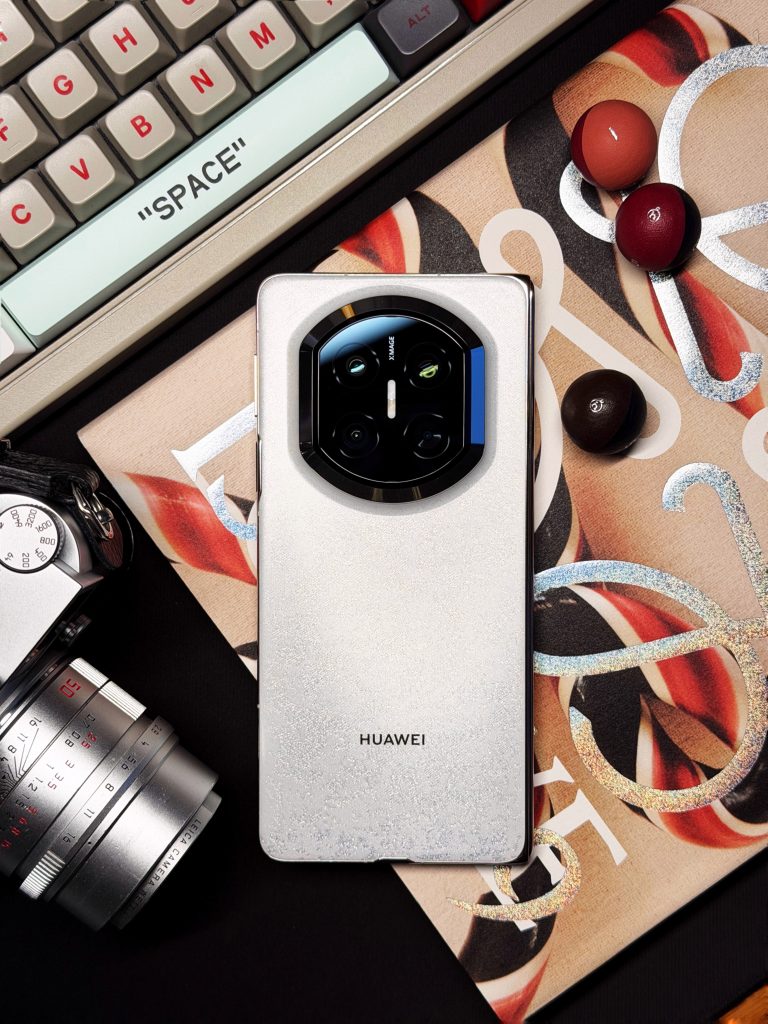
Design: The Physics of “Thin”
The first thing we notice about the Mate X7 is how it disappears into the pocket. At just 9.5mm when folded, it achieves the “normal phone” feel that all recent foldables have been aiming for.
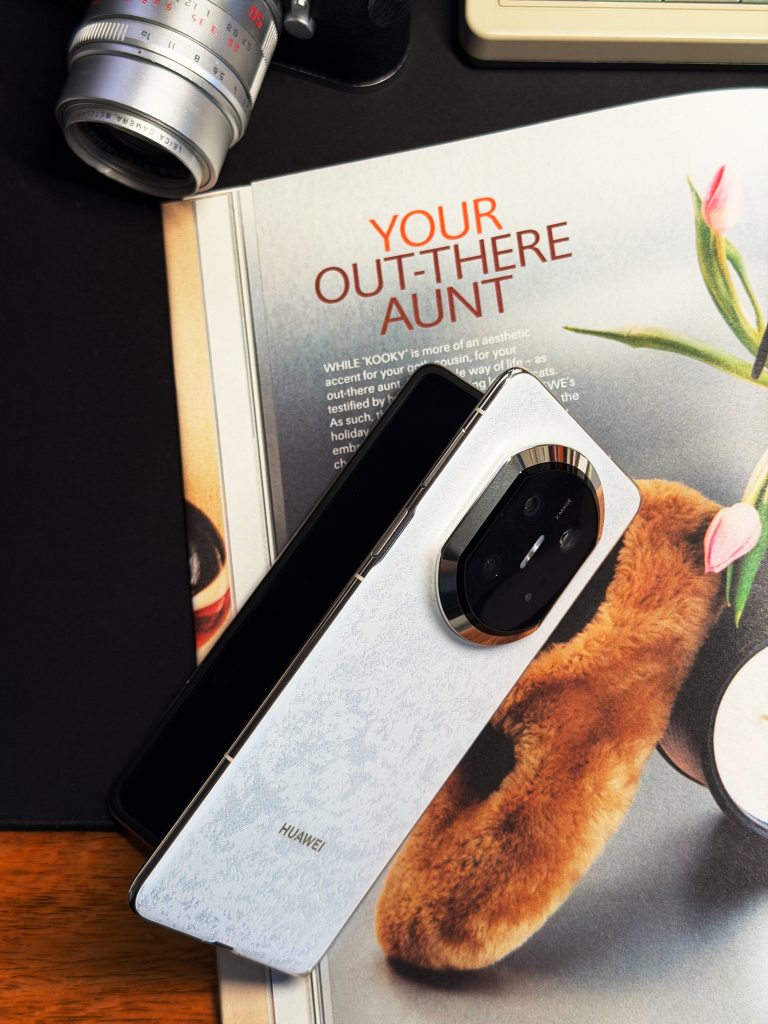
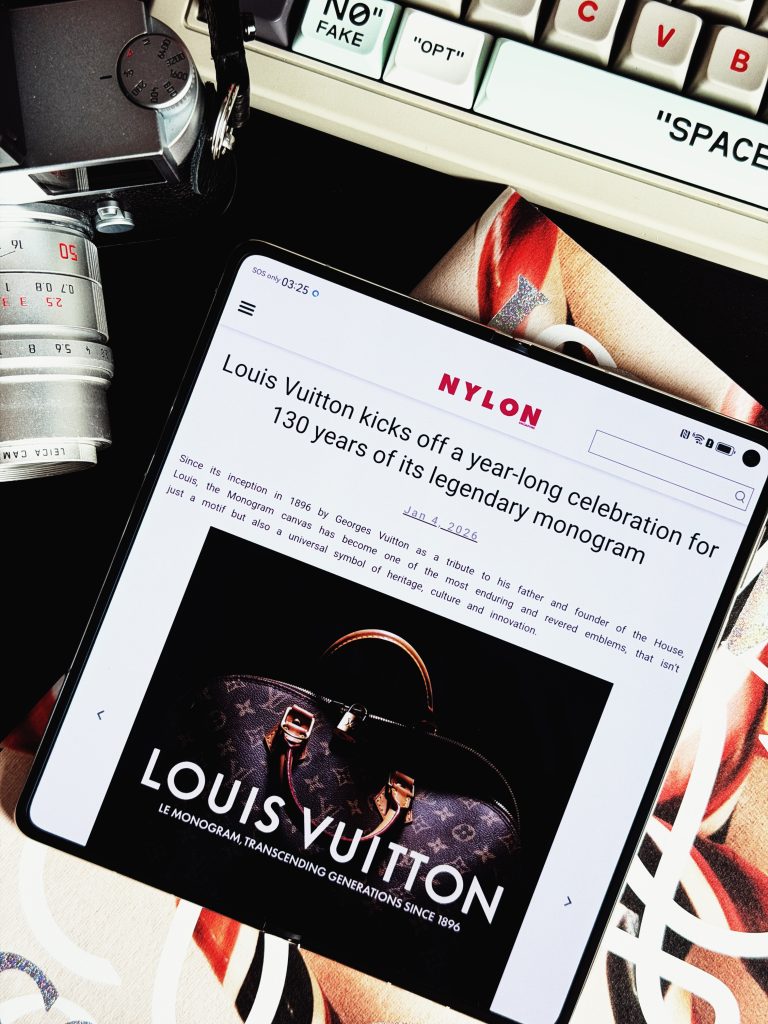
The inner 8-inch large screen utilises a fascinating non-Newtonian fluid layer. This material remains flexible during a slow fold but hardens instantly upon impact. Combined with an IP59 rating for dust and water resistance, the Mate X7 is a highly durable foldable phone.
Pros
- True Pocketability: Measures only 4.5mm when unfolded.
- Military-Grade Toughness: IP59 rating and second-gen Kunlun Glass provide peace of mind.
- Display Brilliance: The 3,000-nit outer screen is perfectly legible even under the harsh midday sun.
Cons
- Price of Entry: At $2,365, it is a significant investment.
- The “Crease” Reality: While minimised, the hinge crease is still visible at certain angles in bright light.
The “True-to-Colour” Revolution
The phone’s headliner is the XMAGE camera system. Traditionally, foldables used smaller sensors to save space. Huawei has defied this by squeezing a 1/1.28-inch RYYB sensor into the frame, featuring a 10-step physical variable aperture (f/1.49 to f/4.0).

The “True-to-Colour” system uses a dedicated spectral sensor to calibrate white balance. In our testing, the results were natural and close to what we see in real life. Where most AI-driven cameras lean into oversaturated “Instagram-ready” greens and blues, the Mate X7 captures skin tones and textures with good accuracy.
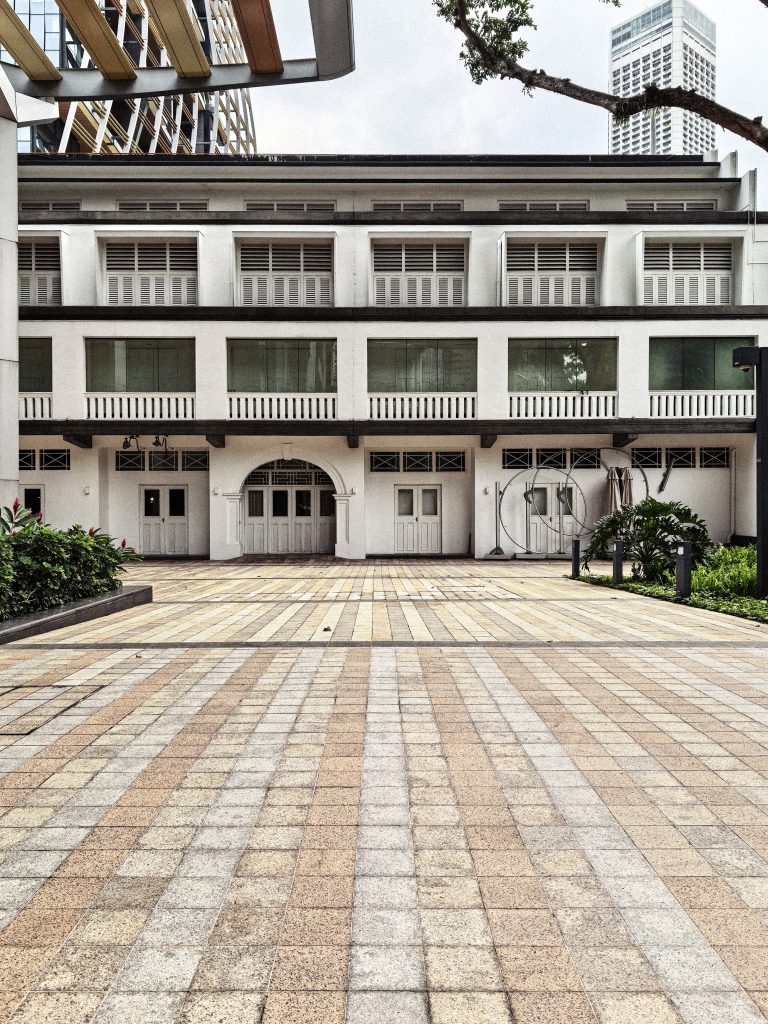



The Red Maple Imaging system further enhances this, ensuring that the 50MP telephoto and 40MP ultra-wide lenses maintain consistent colour profiles. We tested it out at concerts with dimly lit interiors, and the light intake (boosted by the RYYB filter) ensured deep shadows without unwanted digital noise.
Performance and Living with HarmonyOS
Under the hood, the Kirin 9030 Pro chipset handles multitasking with ease. On the large inner display, it’s fast and convenient to run several apps simultaneously, and in our case, to edit photos taken with the phone. The device also remains cool thanks to its upgraded graphene cooling system.
The device runs HarmonyOS 6 (or EMUI 15 globally), meaning Google Mobile Services are absent. However, our key takeaway was how straightforward and instant it was for us to install Google Photos, so we could sync the Gallery to back up images from the phone.




Final Thoughts
The Huawei Mate X7 is another triumph of hardware in today’s smartphone industry. It successfully merges the utility of a tablet with the photographic prowess of a flagship pro-camera. For the smartphone user who demands the best-in-class display and authentic photography experience, the Mate X7 is top of the class. On the other hand, for the average user, the high price tag and software learning curve remain the final frontiers.
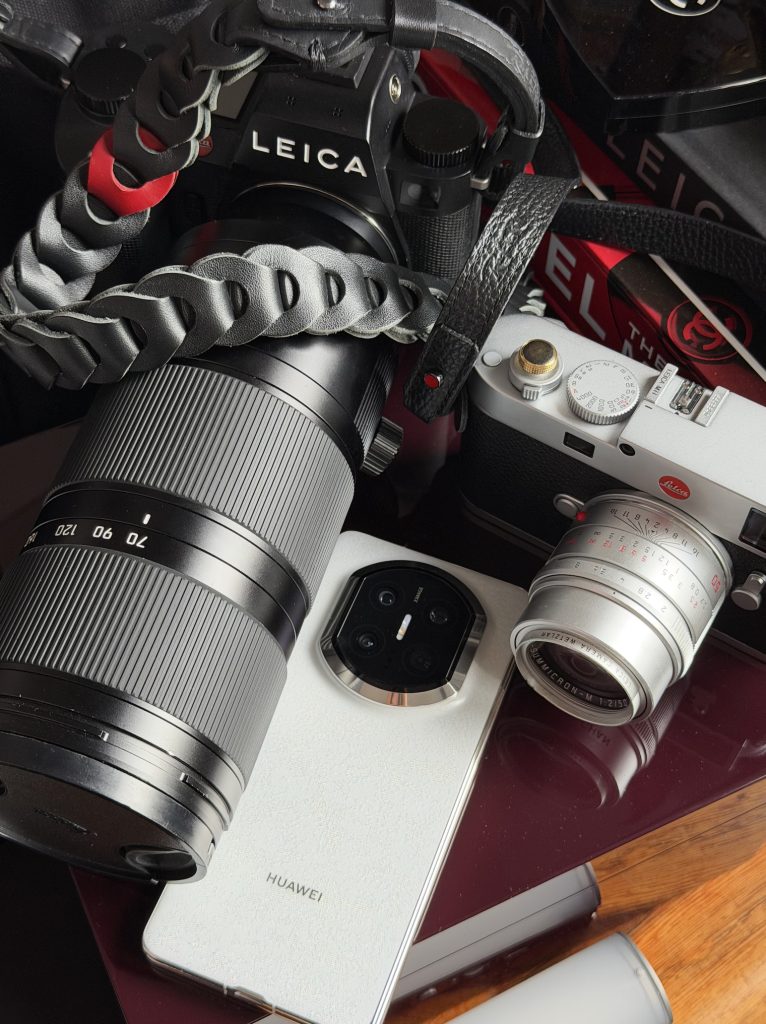
The Huawei Mate X7 is priced at $2,365 and available for pre-order now on Huawei’s official store on Shopee. It comes in Nebula Red, Brocade White (featured in this article) and Black.