Apple arrived late to foldables with a passport-shaped phone, a matte “paper” screen and a hinge that feels engineered rather than experimental.
Apple has never been first to a category. It tends to arrive late and make everyone else’s version feel like a draft. The iPhone Duo, the first foldable iPhone, which launched on 23 October after its September unveiling, follows that script.
In Singapore, it starts at $3,099, and the question is whether the wait paid off. It’s been a few weeks since its launch, and reviews suggest, largely, that it did.
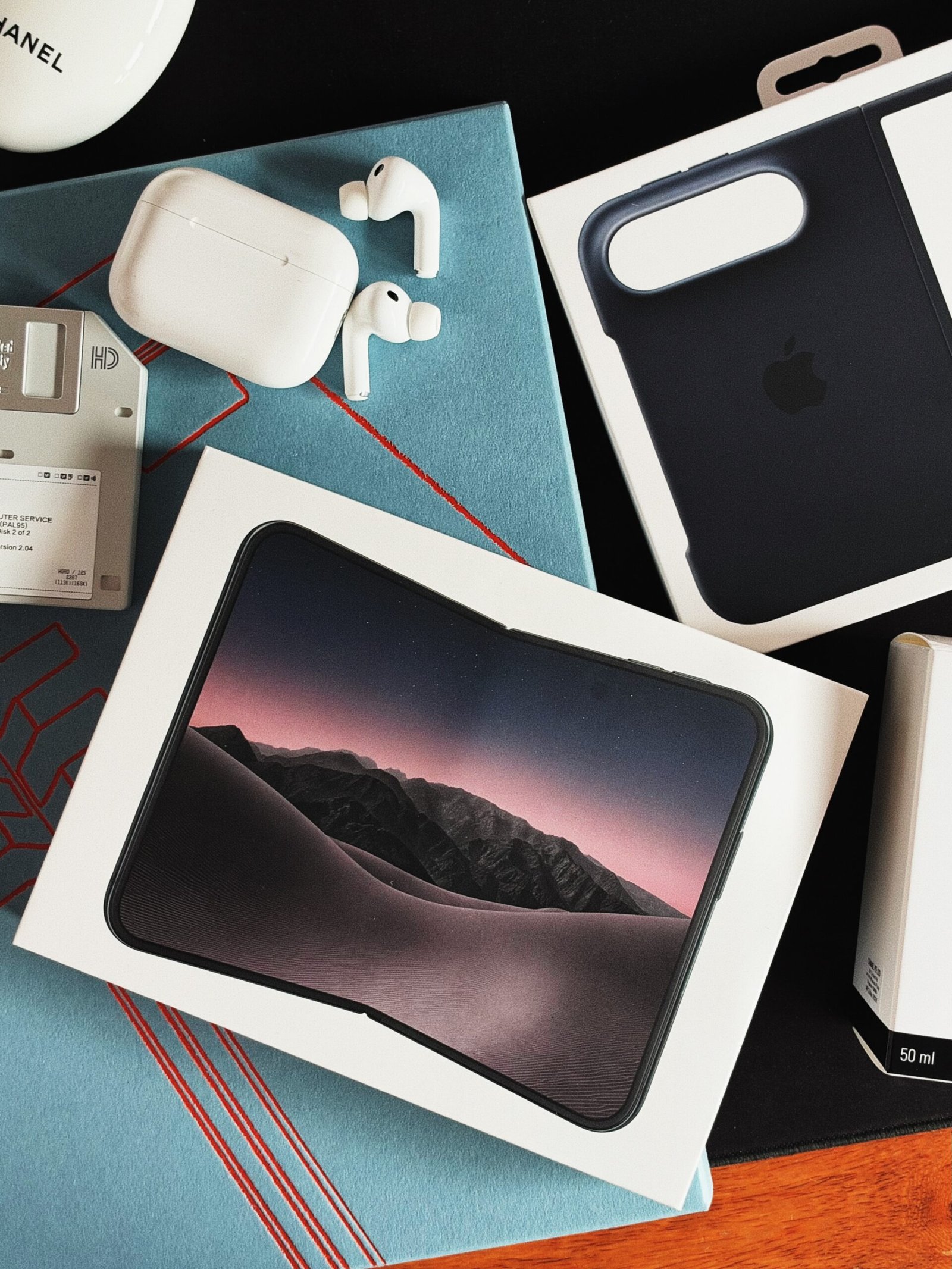
Design: thin, strong and unusually shaped
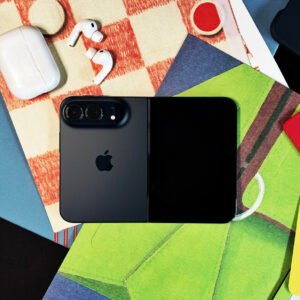
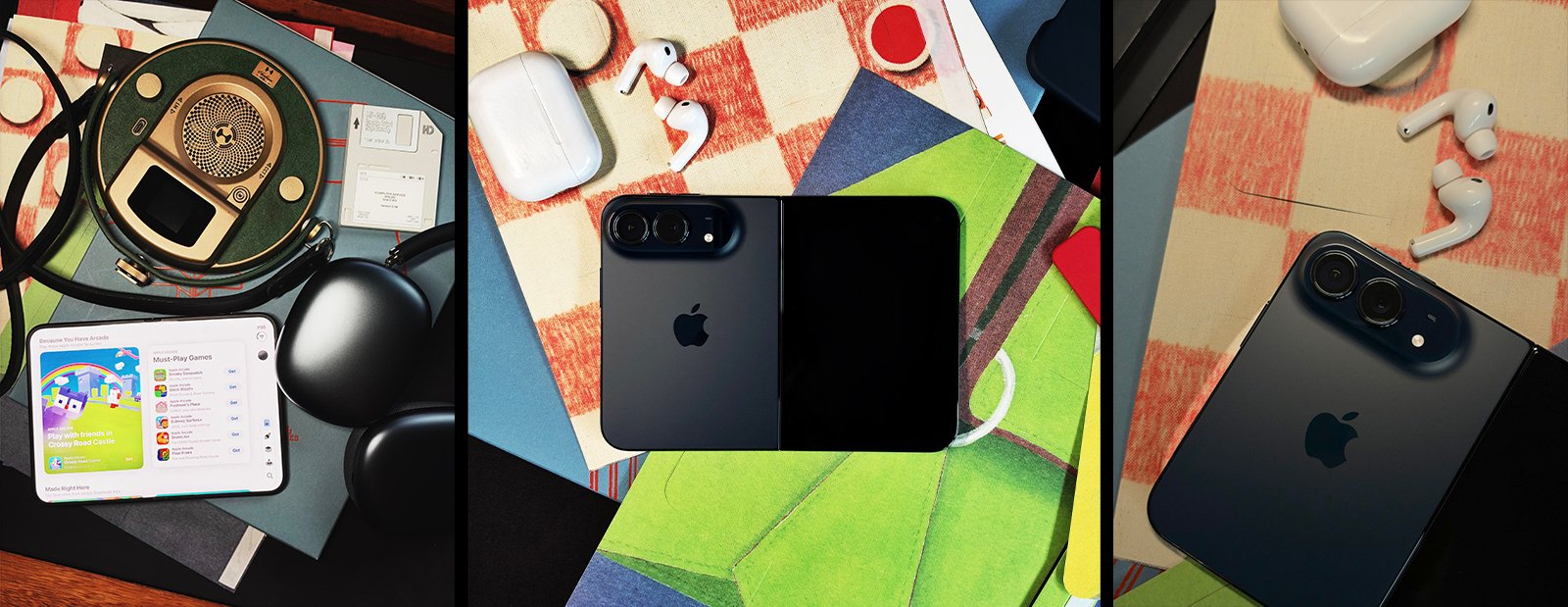
The Duo has a passport-style shape, wider than it is tall when open, not the tall, narrow format of most book-style foldables. At 5.2mm unfolded, it’s Apple’s thinnest iPhone, even thinner than the iPhone Air. The catch is weight: at 254g, it’s Apple’s heaviest iPhone despite the titanium build. It comes in Star White and Night Sky (featured here), a deep blue.
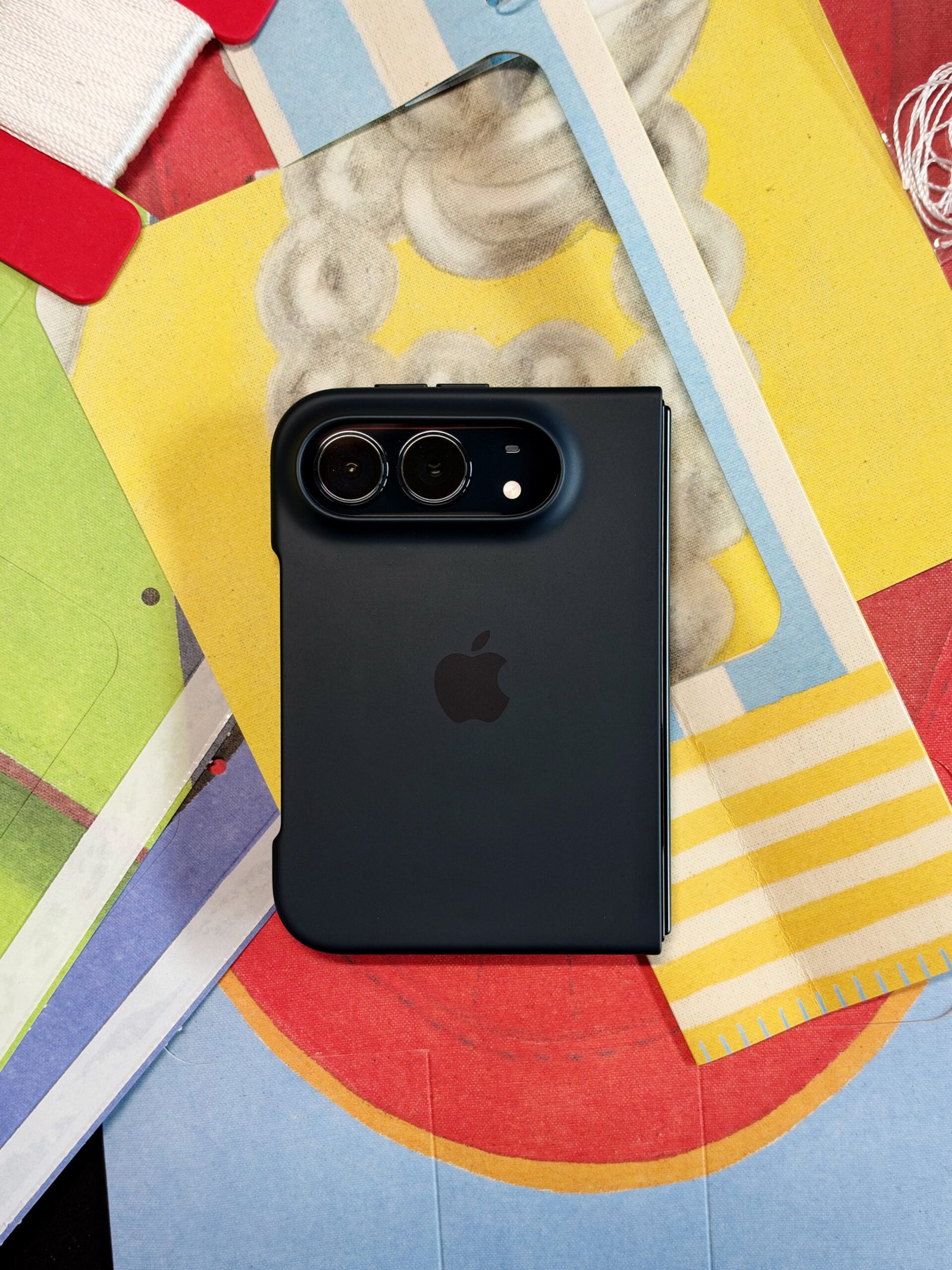
The hinge: the quiet hero
Most reviewers agree on this one. Online, there’s near-unanimous praise for the hinge. One tester put the titanium hinge through more than 32,000 partial folds, after which it stayed as stiff and sturdy as though it was just out of the box. A teardown was slightly less rosy, noting that dust can still reach the hinge and make it crunch. Even so, the mechanism feels more engineered than what we would imagine a first-generation foldable to be.
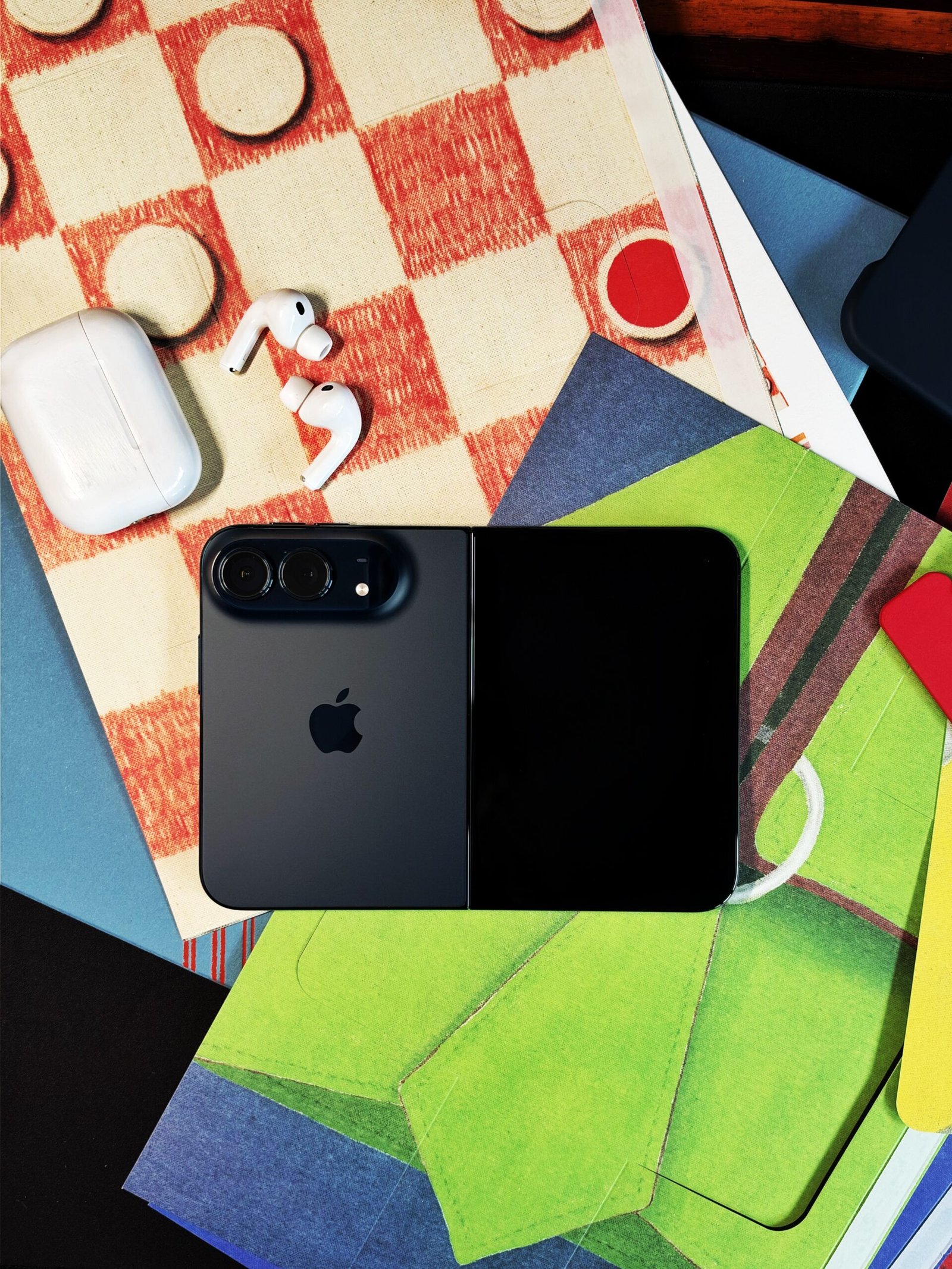
The inner screen: the reason to buy
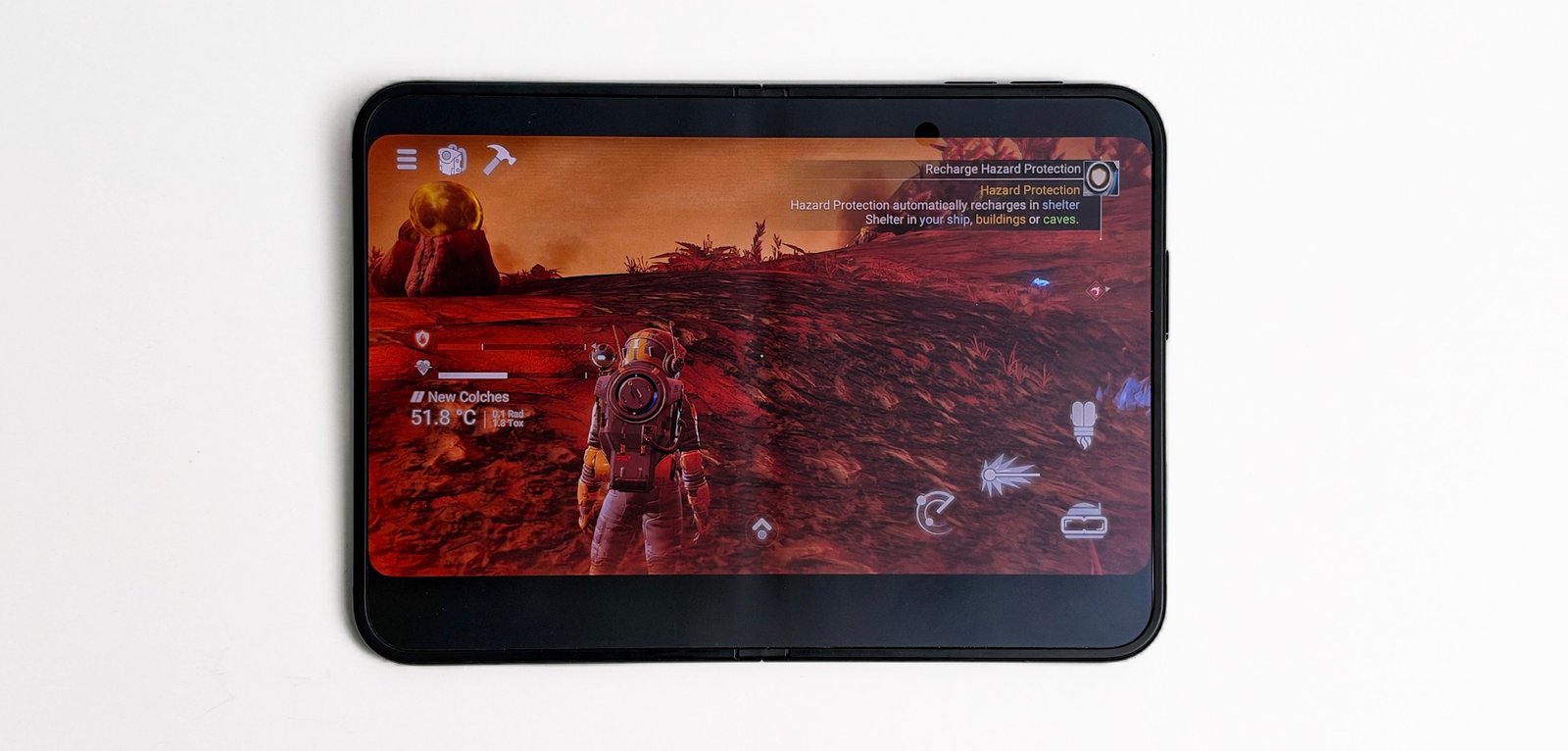
The 7.6-inch inner display is the Duo’s headline. It’s a 120Hz ProMotion OLED with a nano-texture matte finish, which is unusual among foldables, whose inner screens are typically glossy and plasticky. It resembles printed paper, reduces reflections, and stays legible in direct sunlight. It also softens the crease, making it barely visible.
The processor: the same brain as the iPhone 18 Pro
There’s no performance compromise for going foldable.The Duo and the iPhone 18 Pro and Pro Max share the same A20 Pro chip. Apple adds a custom vapor chamber to manage heat across the foldable body and claims up to 20% faster CPU performance than the A19 Pro. It has 12GB of RAM and storage from 256GB up to 2TB.
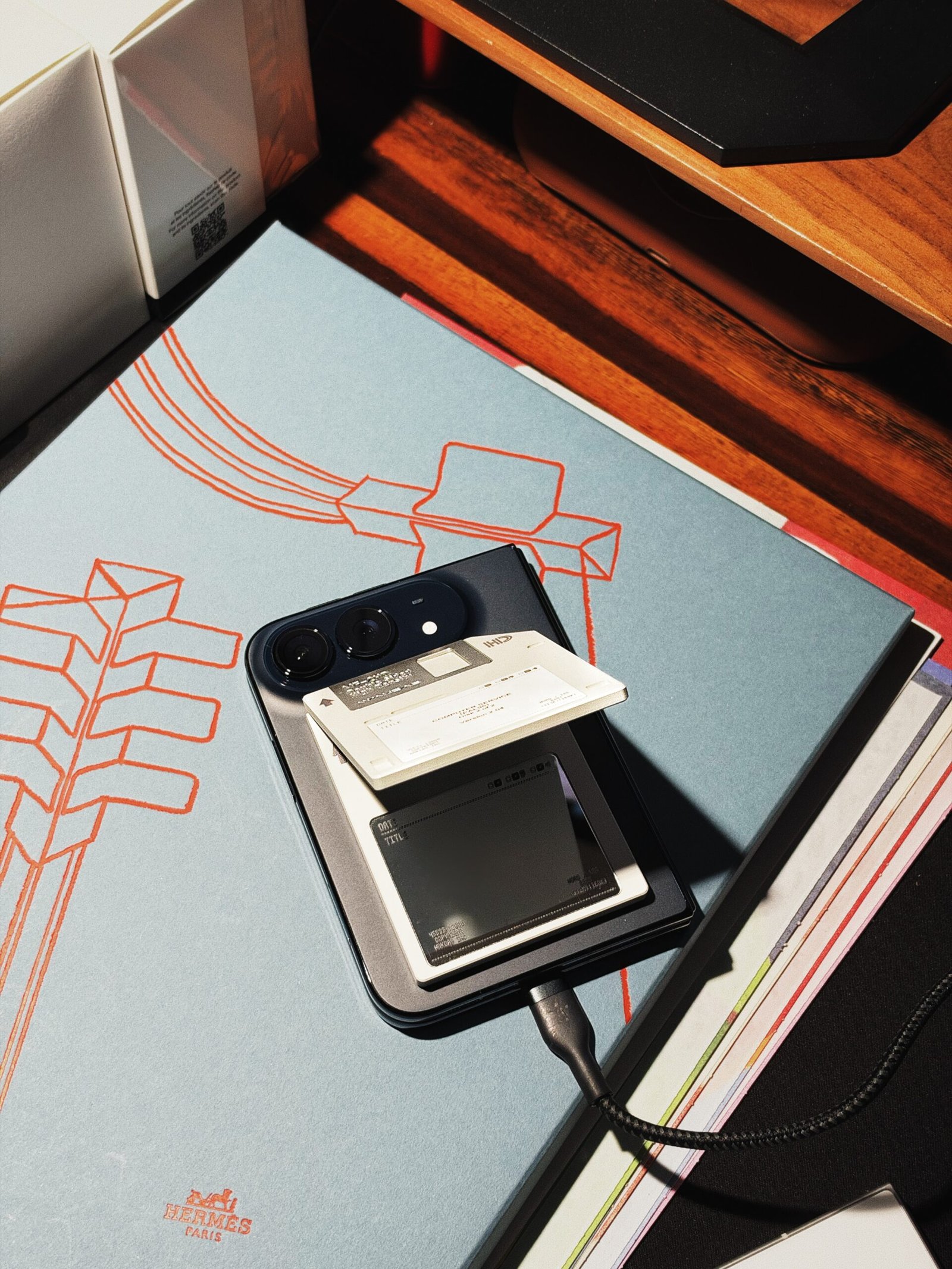
The Duo has a 4,883mAh dual-cell battery system (split into 2,962 mAh and 1,921 mAh cells). On the 5.4″ outer display, you get up to 44 hours of video playback. For the 7.6″ inner display, you get up to 31 hours of video playback. With typical daily use, which includes equal use of both screens, you’ll get up to 24 hours of battery life.
The camera system: clever, but not a Pro
I suppose this is where the Duo makes its biggest trade-off. It has what Apple calls, a 48MP Dual Fusion system, made up of a 48MP Fusion Main camera and a 48MP Fusion Ultra Wide, with no telephoto. The Main camera has a 26mm focal length and offers a 2x optical-quality crop at 52mm, while the Ultra Wide is a 13mm lens with a 120-degree field of view that also handles macro.
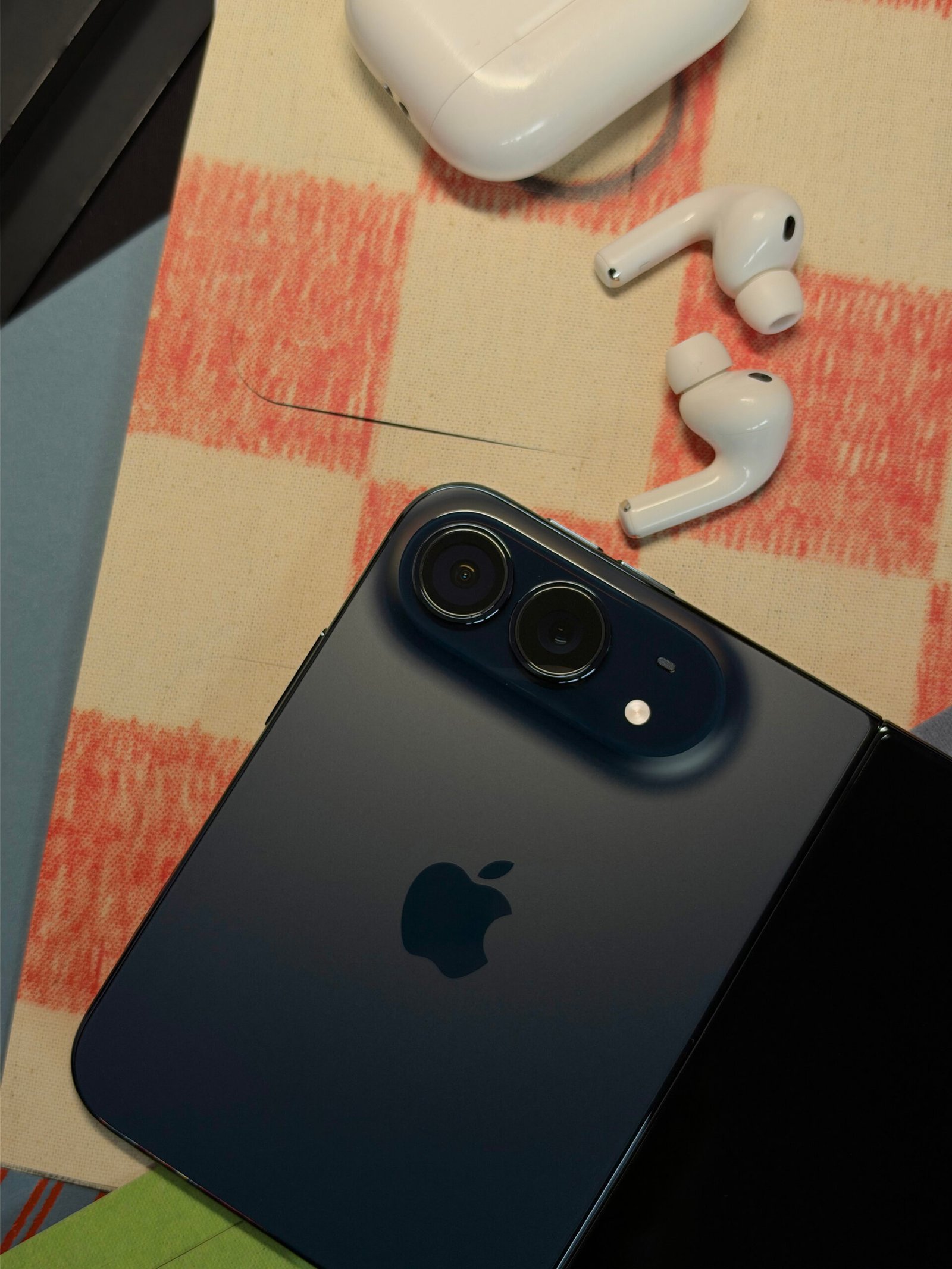
Image quality is more modest than the price suggests. The cameras are certainly a step down from the Pro series, even though the Ultra Wide is the same one found in the iPhone 18 Pro.
Video is strong: up to 4K at 120fps. There’s also Cinematic mode, Dual Capture and 4K Dolby Vision time-lapse, handy because like all foldables, you can prop the phone up without a tripod.
Where the Duo shines is in what the fold makes possible. As expected, you can unfold the phone, flip it around and use the outer display as a live viewfinder while shooting selfies with the higher-quality Main or Ultra Wide cameras. Furthermore, Duo Preview shows the person being photographed a live preview, so they can adjust their pose.
What’s also interesting is Smart Take, which uses on-device AI to capture the shot automatically when everyone is ready. Then there’s Kid Cue, that adds playful animations to grab a child’s attention, and Duo FaceTime, that makes it easier to include the people around you in group calls.
Software: iOS built for two screens
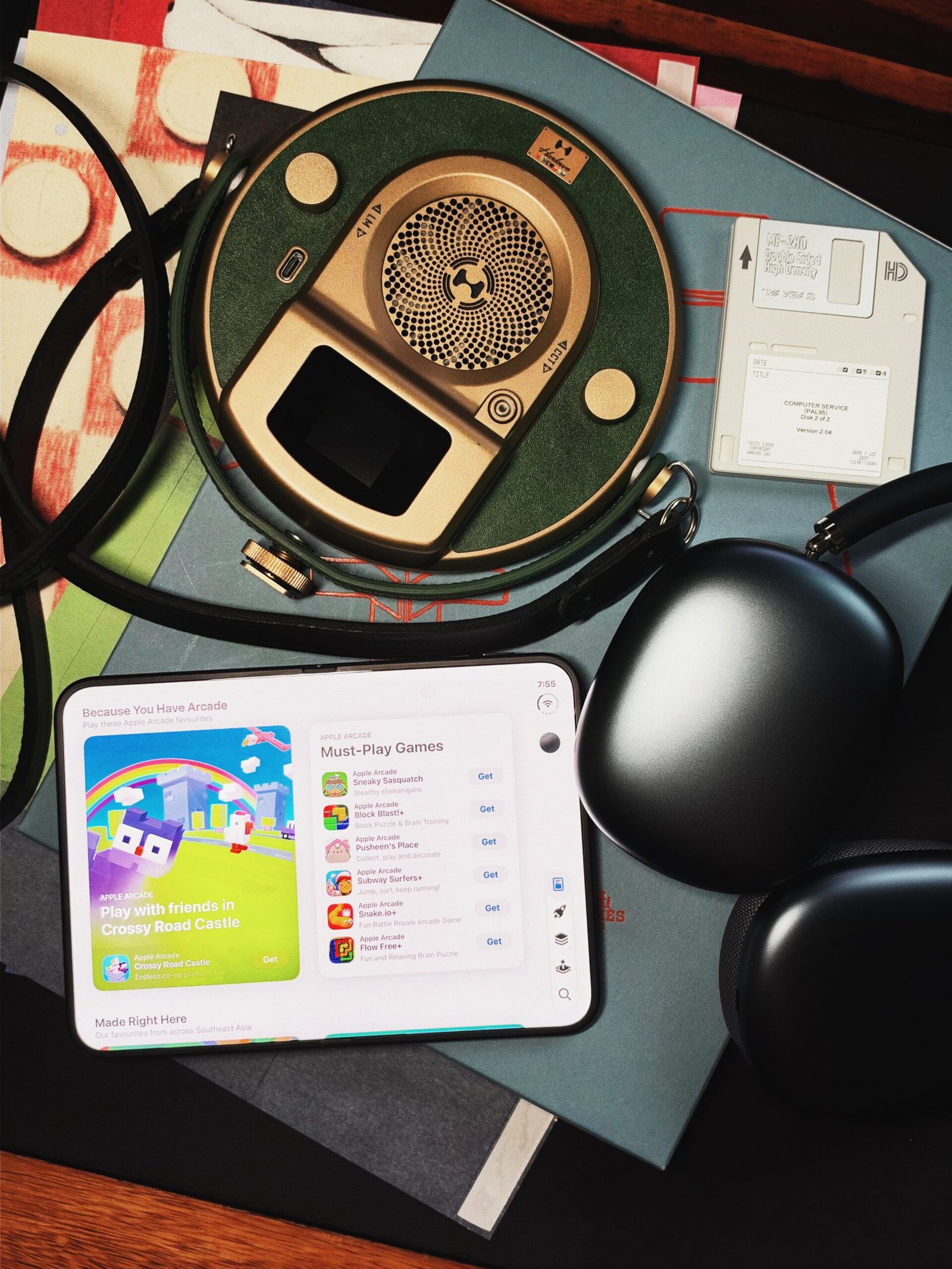
The software is the other major selling point. Apple pairs the hardware with a reimagined iOS, Apple Intelligence and Siri AI. Content reacts as the phone folds, reorients when turned, and moves to the correct display when flipped over, and Split View makes multitasking and app switching easy.
There are Duo-only touches too. You can prop it on a table as an Apple Watch-style clock, and a nice surprise is support for Apple Pencil. The weak spot is third-party apps: most aren’t ready for the new layout yet, but the popular ones like Netflix and everything under Meta are optimised.
The best reasons to consider the iPhone Duo
- The nano-texture inner display solves reflections and, mostly, the crease.
- A hinge that’s exceptional.
- Flagship A20 Pro performance.
- Camera tricks that only a foldable can do.
- Software that makes two screens feel natural, from Split View to Apple Pencil.
- Pocketable when closed, tablet-like when open.
What will give you pause
- A high starting price of $3,099 for the 256GB model.
- No telephoto lens; zoom stops at 2x optical quality.
- No Face ID; instead, it uses Touch ID.
- Heavy at 254g.
- Like all foldables, crease will likely deepen with use.
- Many third-party apps aren’t optimised yet.
Final Thoughts
If you imagine yourself using the inner display often, the Duo, being Apple’s first foldable, is a very desirable purchase. We already know it isn’t flawless: the cameras are good rather than great, and Face ID is gone. But the gorgeous build, screen, hinge, software and the camera tricks only a foldable can pull off make a convincing case that Apple’s (and your) patience for this new device was worthwhile.
The iPhone Duo is priced from $3,099 and available at Apple stores and the official website.