
By Jasmine Ong
Since WandaVision’s triumphant debut on Disney+, Marvel Studios is back with a sequel of sorts that ventures beyond the superhero plot to bring you a series that not only does its job in answering some of your burning questions surrounding the AI avenger, but also spotlights some of the real-world sentiments surrounding humanity’s relentless pursuit of Artifical Intelligence.

Image courtesy of Disney+/Marvel Studios.
Before diving into VisionQuest, it would be good to note that this new Marvel series does reference a lot from WandaVision, and watching that first would help provide context for the different scenarios and dialogues that happen with the characters.
VisionQuest picks up after the events at WestView and follows a rebooted Vision (played by Paul Bettany), who has been in hiding after he escaped from people who sought to weaponise him.
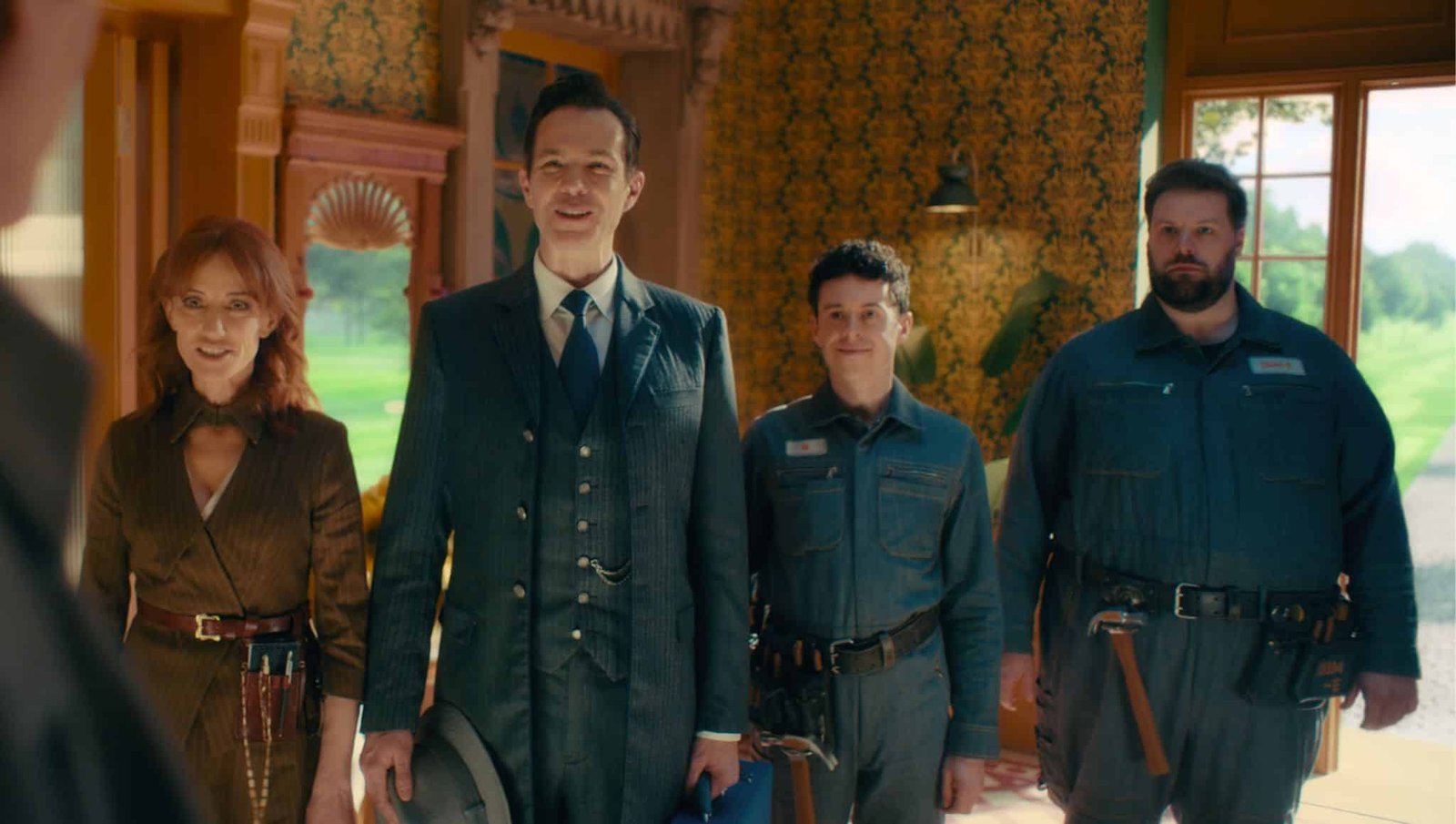
Image courtesy of Disney+/Marvel Studios.
Accompanying him on this journey are a few other familiar AI personas which include F.R.I.D.A.Y. (played by Orla Brady), E.D.I.T.H. (played by Emily Hampshire), J.A.R.V.I.S. (played by James D’arcy), and Ultron (played by James Spader).
His quiet existence, of course, gets disrupted when a bounty is placed on his head and forces him to cross paths with Thomas Shepard (played by Ruaridh Mollica), who may be his reincarnated son.
Without giving too much away, VisionQuest checks all my boxes for a close-to-perfect Marvel streaming series.

Image courtesy of Disney+/Marvel Studios.
It had a brilliant cast led by the phenomenal Paul Bettany, who knew how to portray the different facets of Vision with such ease, and who had such great chemistry with the incomparable James Spader, that it almost felt like I was watching a masterclass in acting whenever they were in a scene together.
James, who I’ve come to know from watching Boston Legal with my mother when I was young, had been an actor I’ve always revered because he always had such a way with his acting, where he could take his portrayal of simple roles to the next level by developing complexities in their character that make them so much more interesting.

Image courtesy of Disney+/Marvel Studios.
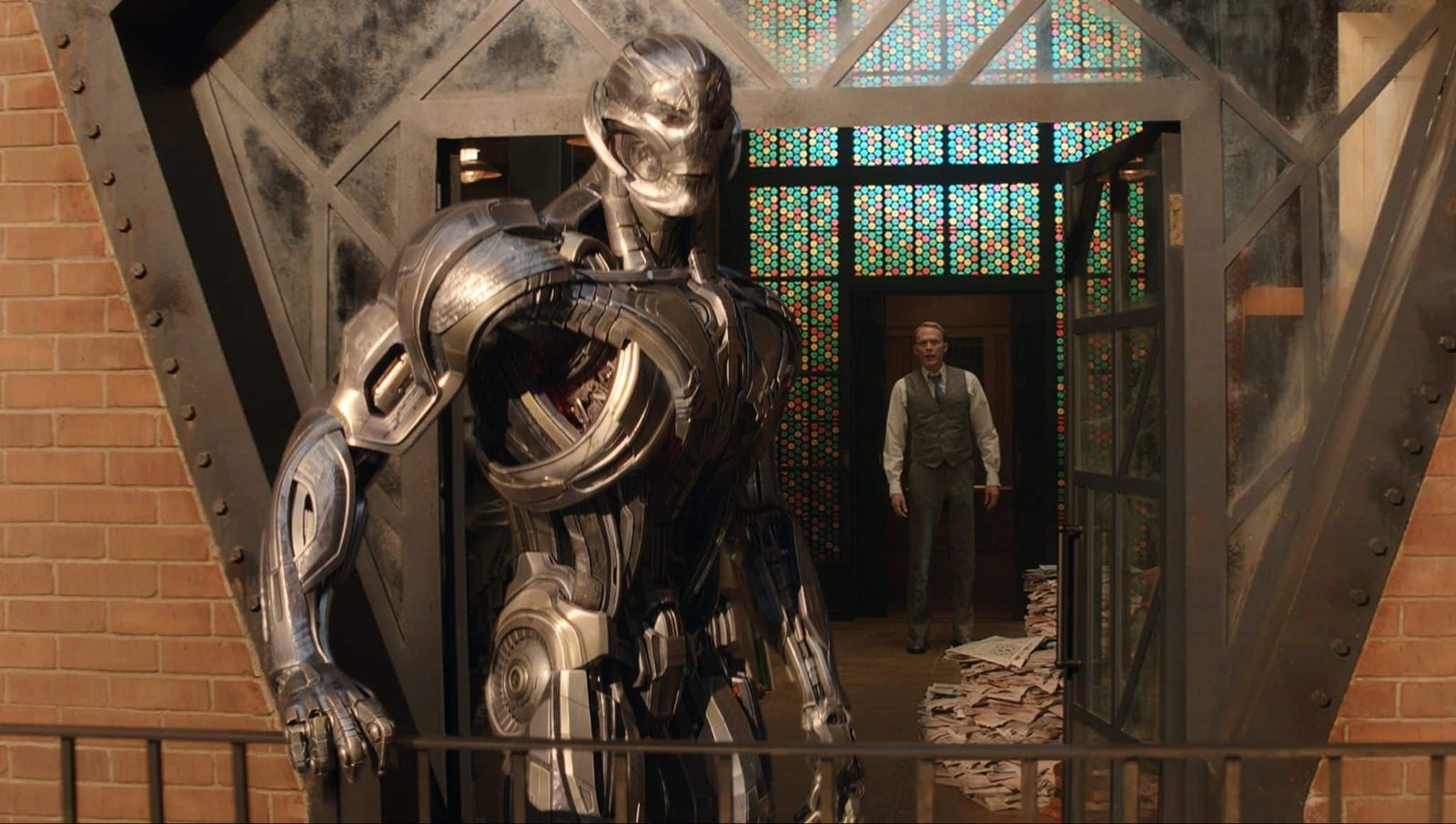
Case in point is his portrayal of super evil AI, Ultron.
While we had only seen Ultron as a CGI character in the Marvel films, we get to see him in the flesh in VisionQuest; and James did not disappoint through his layered portrayal of the character, where he introduces nuances to Ultron through his expressions and reactions, while still keeping the traits that CGI Ultron was known for, like his unflinching sarcasm.

Image courtesy of Marvel Studios.
As a huge fan of Schitt’s Creek, I have to give a shoutout to my girl Emily Hampshire for her portrayal as E.D.I.T.H., because there frankly isn’t anyone else I could think of, who would be suited for this role.
Her petite stature and can-do attitude made her such a lovable character that it was hard not to feel endeared to her when you first meet her.

Image courtesy of Disney+/Marvel Studios.
Beyond the action and mystery, I really enjoyed the witty dialogue that cleverly turned our everyday phrases into speech befitting an AI model, through the replacement of words like ‘delete’ for ‘death’, and ‘the Power of Christ’ for ‘the power of code’ (taken from a funny scene in the later episodes).
I also liked the nostalgic vibe of VisionQuest that in some way, paid homage to WandaVision, but still remained unique to this series as it brought Vision’s AI mind to life while reflecting the time periods his co-sharing AIs were made.
What ultimately got me hooked on till the end, was the series’ underlying message about the relationship between AI and humans.
Images courtesy of Disney+/Marvel Studios.
Throughout VisionQuest, we see Vision go through an existential crisis of sorts as he seeks to function as how an AI model should, while also grappling with the resurfacing of human emotions and consciousness — something that machines aren’t made to process.
But, being AI, allows him to function differently, tapping on other machine learning models to adapt and adjust his codes, if you will, into modifications that allow him to behave more like a man than machine.
In the current age of prevalent reliance on AI in almost every aspect of our lives, it’s not uncommon to see how a further improvement in machine learning capabilities in AI models could ultimately lead to the downfall of humanity, especially if the fundamental nature of building such technology has been turned into profits and bragging rights.
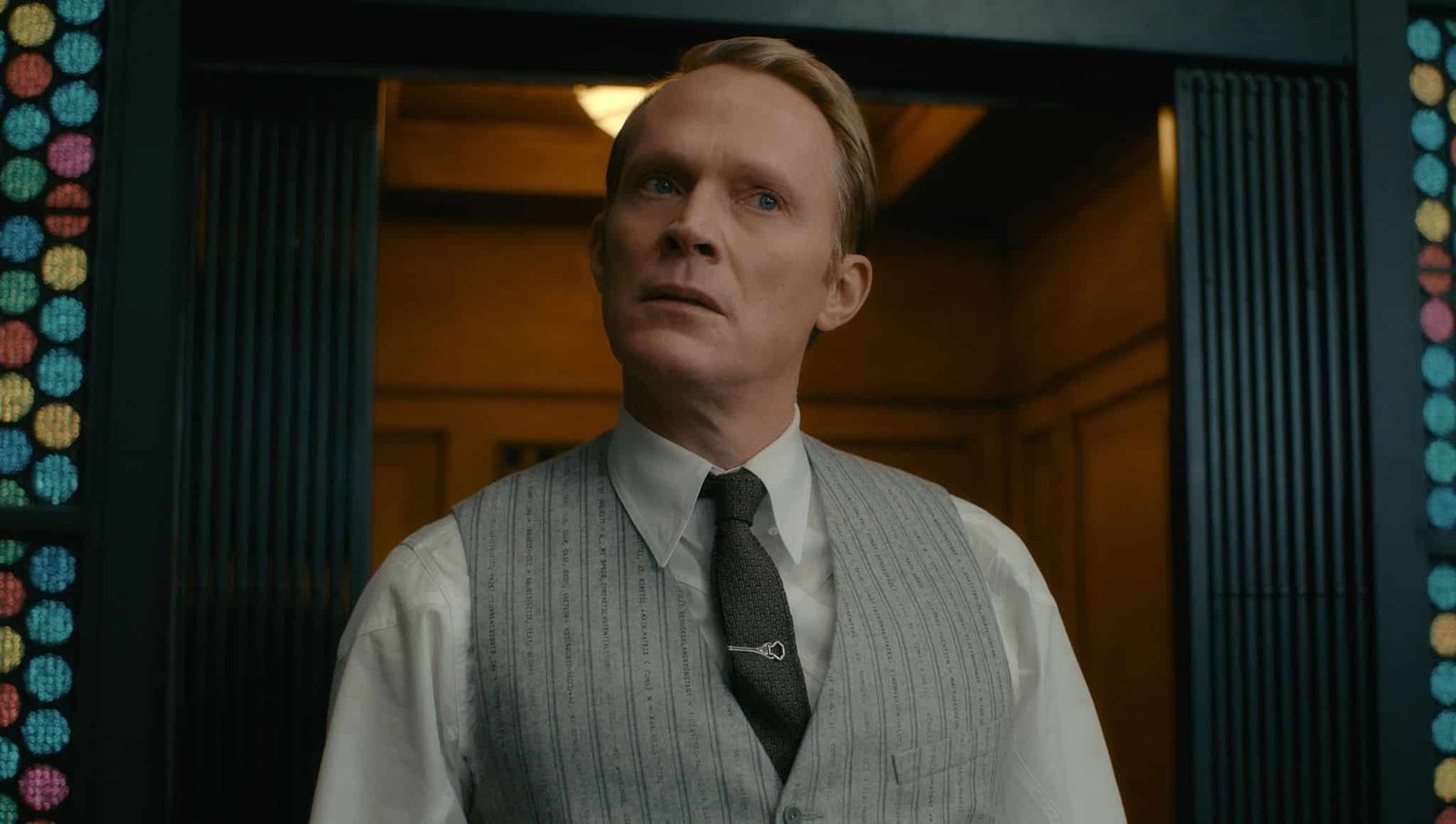
Image courtesy of Disney+/Marvel Studios.
Even though the real world has yet to build AI models to the levels of a Vision or an Ultron, it does not mean that humanity is far from reaching such technological advancements.
This too real scenario can be seen throughout the series, peppered into the dialogues and imagination of possible future AI functions, which ultimately leaves us to question humanity’s role in the creation of AI and whether throughout the evolving of these models, we’ve ever stopped to wonder if this all came about because of the innate human desire to play God.
While I can’t say that VisionQuest is the best Marvel streaming series I’ve seen so far, it is definitely one of the top titles available that gets you thinking, while also neatly filling in the blanks of Vision’s origin and the continuation of his story since his reanimation.